The path from pain to peace
Journey with Pastor Stan McDowell as he unpacks the profound truths of forgiveness and reconciliation. Discover how these spiritual principles can transform your relationships and deepen your faith.
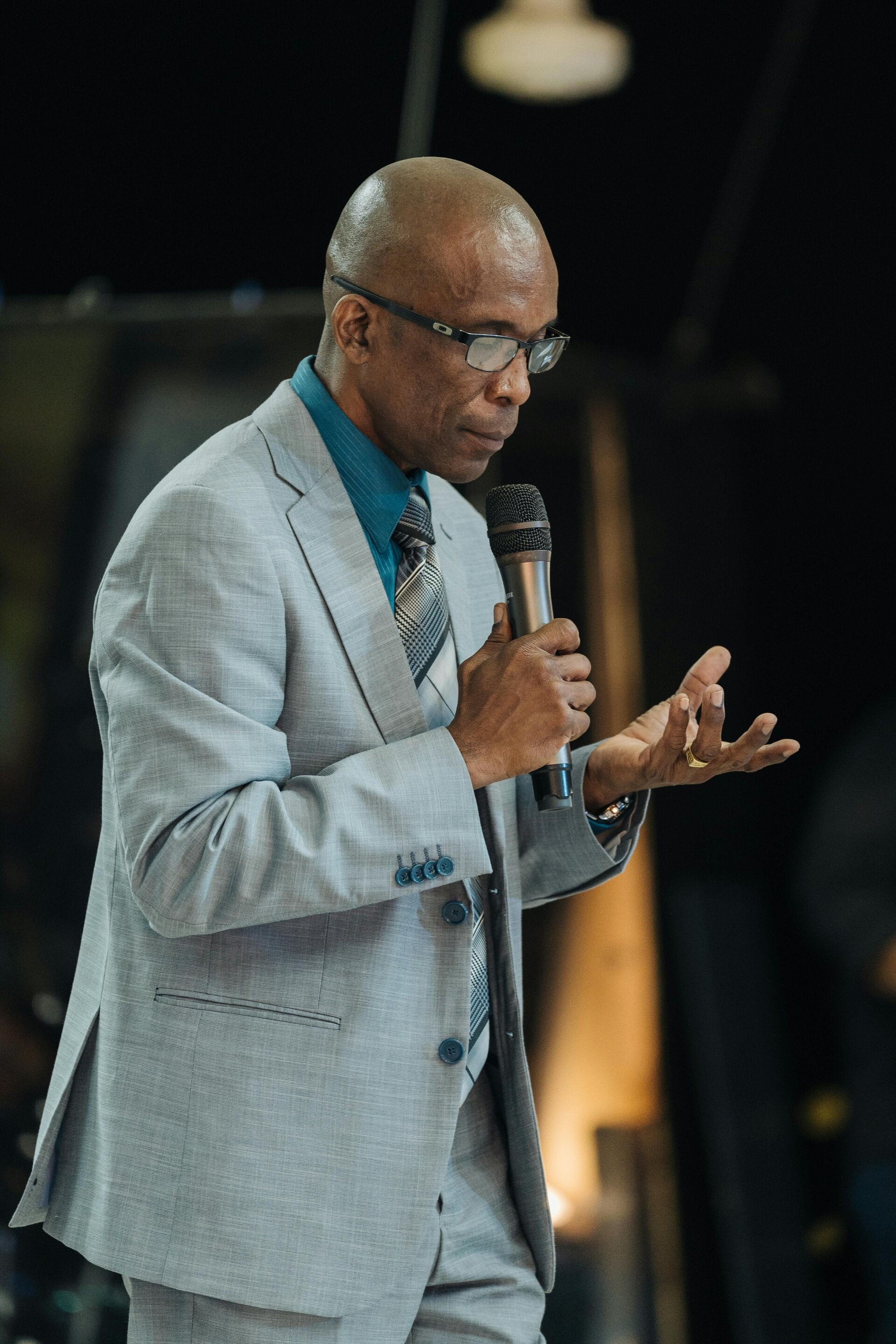
Meet Pastor Stan McDowell
Pastor Stan McDowell, founder and senior pastor of Kingdom Living Prophetic Ministries in Dayton, brings a wealth of wisdom to this crucial topic. Serving since 2012, he is a dedicated soul-winner and disciple-builder, committed to transforming lives through God's Word. His passion for outreach and community service underscores his belief that the Church must actively engage the world with compassion and truth. In this article, he highlights the intricate road between forgiveness and reconciliation.


Forgiveness vs. reconciliation: a christian perspective
Pastor McDowell takes a direct aim at the Christian community, tackling a question many wrestle with: "Does forgiveness restore the original relationship?" This article is designed for those seeking clarity on these vital spiritual concepts, inspiring deeper understanding and guiding actions within their faith walk. Explore the nuances and discover the truth.

Forgiveness vs Reconciliation by Pastor Stan McDowell
Forgive “Seventy Times Seven” — But Must We Restore Every Relationship?
When Peter asked Jesus how many times, he should forgive someone who sins against him, he likely thought he was being generous. “Up to seven times?” he asked. Jesus’ reply in Gospel of Matthew 18:22 shattered all limits: “I do not say to you seven times, but seventy times seven.”
Then, in Gospel of Matthew 6:14–15, Jesus raises the stakes even higher: “For if you forgive others their trespasses, your heavenly Father will also forgive you; but if you do not forgive others, neither will your Father forgive your trespasses.”
These words leave little room for selective obedience. Forgiveness is not presented as an option for believers. It is not conditional on how sorry someone appears. It is not measured by how deep the wound runs. It is commanded.
But here is the question many Christians quietly wrestle with: Does forgiveness require restoring every broken relationship?
We often treat forgiveness and reconciliation as though they are the same. If you truly forgive, we assume you must return the relationship to what it was before. Yet Scripture suggests a more careful distinction.
Forgiveness is an act of obedience. It is the decision to release personal vengeance and entrust justice to God. It is inward work — a surrender of resentment, a refusal to nurture bitterness. In this sense, forgiveness can be unilateral. It depends on the heart of the one who forgives.
Reconciliation, however, is relational. It requires rebuilding trust. It requires repentance, humility, and changed behavior. It requires participation from both parties.
Even in the teachings of Jesus, repentance is closely tied to restored fellowship. In Luke 17:3, He says, “If your brother sins, rebuke him, and if he repents, forgive him.” The call to forgive remains, but repentance is what opens the door to renewed relationship.
We see a similar distinction in the life of Christ. Jesus forgave freely, yet He did not entrust Himself indiscriminately. John 2:24 tells us that Jesus “did not entrust himself to them, for he knew all people.” Mercy did not cancel discernment. Love did not eliminate wisdom.
This tension matters because some believers carry unnecessary guilt. They have released bitterness. They have prayed for those who hurt them. They have chosen obedience. Yet they hesitate to restore access where trust has been repeatedly broken. They wonder if their boundaries mean their forgiveness is incomplete.
But boundaries are not the opposite of forgiveness. Sometimes they are the fruit of it.
Romans 12:18 adds an important qualifier to Christian peace: “If it is possible, as far as it depends on you, live at peace with everyone.” Scripture acknowledges that peace is not always fully possible. Reconciliation cannot be forced by one side alone.
The gospel itself reveals this distinction. At the cross, Christ prays, “Father, forgive them.” Forgiveness flows even toward those who mock Him. Yet not all who witnessed the crucifixion entered restored relationship with Him. Forgiveness was extended; reconciliation required repentance and faith.
To forgive is to reflect the mercy of God. To exercise discernment is to reflect His wisdom.
Perhaps the deeper question is not, “Must I let them back into my life exactly as before?” but rather, “Have I released my right to revenge and entrusted this wound to God?”
One question concerns proximity. The other concerns obedience.
Jesus is unmistakably clear about which one He commands.
Forgive — without counting.
Release — without retaliation.
Love — without hatred.
And then, with prayerful wisdom, discern what restoration, if any, truly reflects both grace and truth. For the believer who has been deeply wounded, this distinction is not theoretical. It is survival. Forgiveness may mean praying for someone you no longer speak to. It may mean releasing anger while maintaining necessary distance. It may mean entrusting consequences to God rather than enforcing them yourself. This is not weakness. It is costly obedience. We have a choice, holding a Grudge, Providing Grace, Reconciliation or Forgiveness? Which will you decide?
Add comment
Comments